
Reflections from Baku: what WUF13 might mean for Hong Kong
張貼於: 2026-08-28
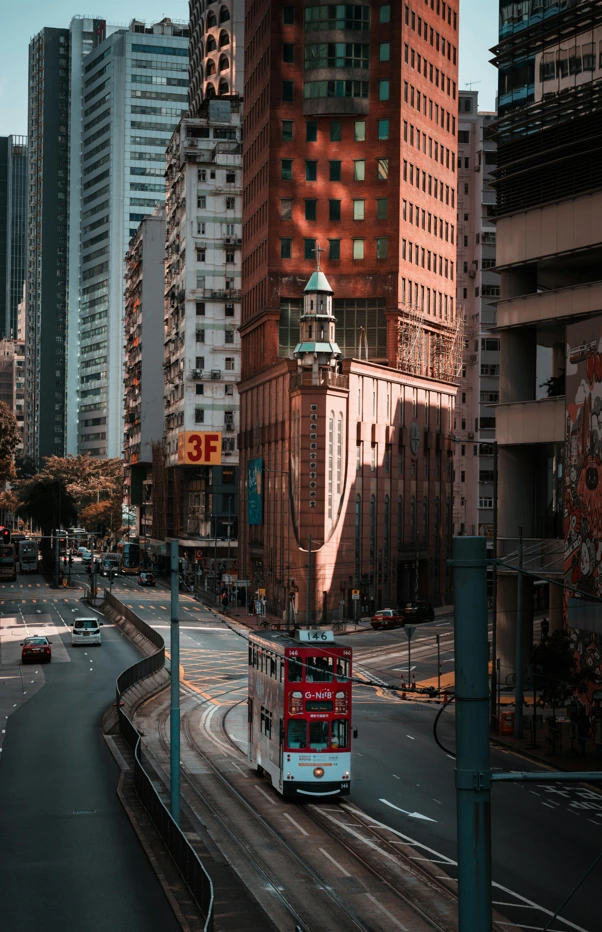
Reflecting on the lessons of the UN-Habitat World Urban Forum in Baku, Professor Samer Bagaeen , Head of Town Planning and Vice President of the Royal Town Planning Institute (RTPI), examines how Hong Kong can shape a more resilient, inclusive and liveable future through planning that connects housing, infrastructure and community needs.
Attending the UN-Habitat World Urban Forum (WUF) in Baku, Azerbaijan, gave me a valuable opportunity to step outside the day-to-day world of planning and reflect on some of the bigger challenges facing our cities. With more than 52,000 delegates from 176 countries, the scale and diversity of the Forum was impressive, but what struck me most was how familiar many of the conversations felt.
Whether I was speaking with planners, academics, government representatives or other built-environment professionals, the same issues kept coming through: housing, affordability, climate resilience, infrastructure, inequality and the challenge of creating places that work for people.
For me, one of the clearest messages from Baku was that housing cannot be considered in isolation. We can talk about housing targets and numbers, but ultimately we are creating places for people to live their lives. Homes need to connect with transport, jobs, education, healthcare, public space and community.
That is a message which I think has particular relevance for Hong Kong.
Looking at Hong Kong through a Baku lens
Being in Baku made me reflect on how Hong Kong fits into this global conversation.
Hong Kong already does many things that planners elsewhere are trying to achieve. It is compact, highly connected and has an internationally recognised model of integrating development with public transport. When people at WUF13 talked about density, transit-oriented development and making better use of scarce urban land, it was difficult not to think about Hong Kong. But Hong Kong also demonstrates that density alone is not the answer.
The real question is about quality of life within density. How do we provide sufficient housing while also creating neighbourhoods that are healthy, inclusive and enjoyable places to live? How do we provide enough public and green space? How do we respond to an ageing population and ageing building stock? And how do we make sure younger generations continue to see Hong Kong as somewhere they can build a future?
I found myself coming back to a simple question throughout the Forum: are we planning housing, or are we planning communities? There is an important difference.
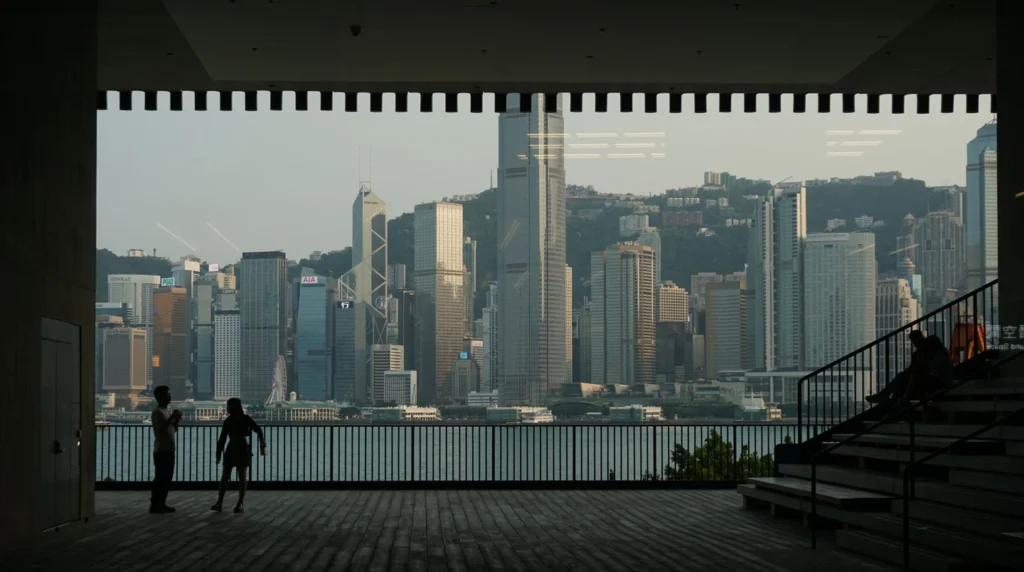
An opportunity to think differently about growth
That question feels particularly relevant as Hong Kong looks towards major areas of growth such as the Northern Metropolis. The opportunity here is much bigger than providing additional development capacity. It is about creating a new generation of places that bring together housing, employment, transport, universities, innovation, community infrastructure and nature. One thing that came through strongly in Baku was the importance of connecting these different elements from the beginning rather than trying to retrofit them later.
For planners, that means thinking beyond individual sites and projects. What will give a new neighbourhood its identity? Where will people meet? Where will they work? Can they walk to everyday services? How does nature form part of the place? And, importantly, what will make someone feel that this is their community rather than simply somewhere they have been housed? These are questions that cannot be answered by planners alone, which brings me to perhaps my biggest takeaway from WUF13.
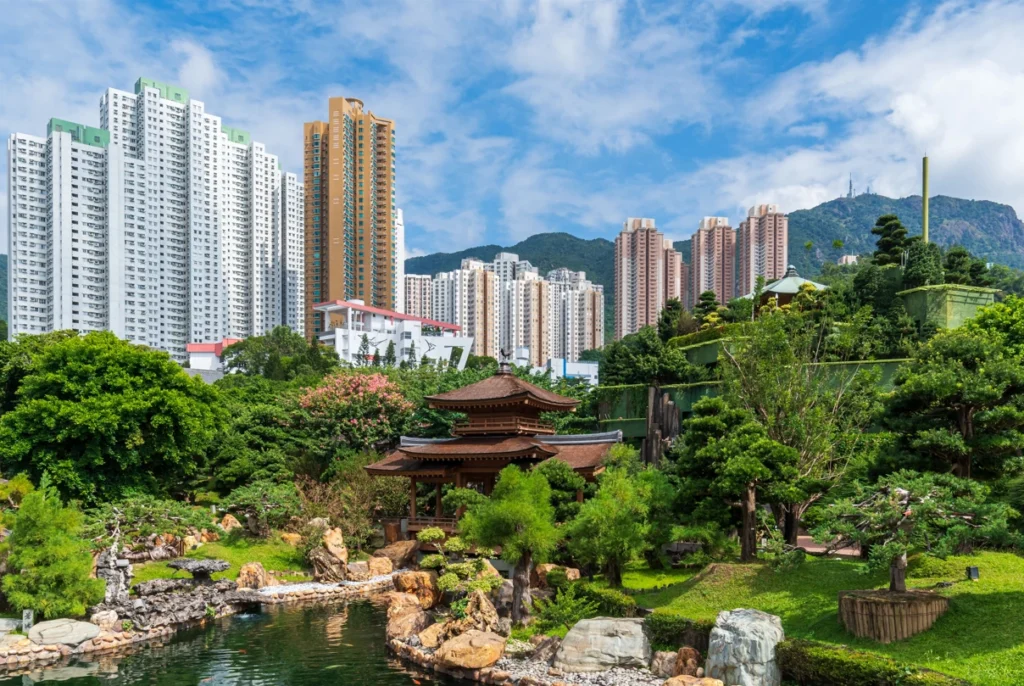
Partnership really matters
The Royal Town Planning Institute’s (RTPI) message in Baku was very much about planning and partnership, and after several days of conversations at the Forum I came away convinced that this is becoming increasingly important.
The big challenges facing cities simply do not respect professional boundaries.
Housing connects to transport. Transport connects to employment and economic development. Climate resilience connects to infrastructure, landscape and public health. Universities connect to skills and innovation. And all of these ultimately connect back to the communities we are planning for.
That changes the role of the planner. Our job is increasingly not just to produce plans or manage development, but to bring people together, make connections and help different disciplines see the bigger picture. For Hong Kong, that extends beyond traditional institutional and geographical boundaries. The growing relationship with Shenzhen and the wider Greater Bay Area creates fascinating opportunities around transport, employment, education, research, innovation and environmental planning.
It also creates complexity. But complexity is precisely where planning can add value.
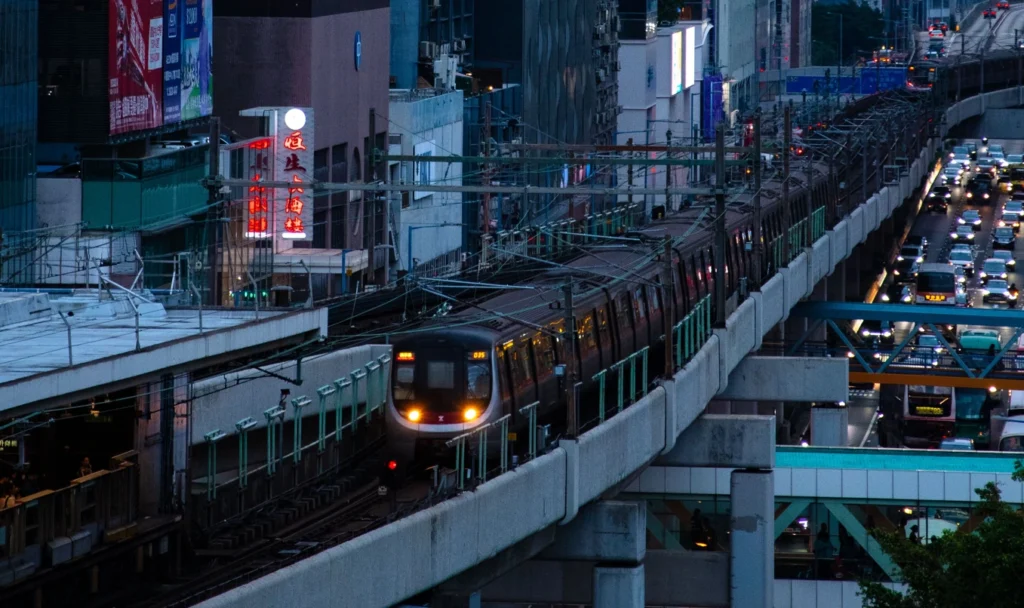
Climate resilience was another major theme in Baku that resonated strongly with me in thinking about Hong Kong. For Hong Kong, extreme heat, intense rainfall and severe weather are not distant scenarios. They are already part of the reality of managing and planning the city. Hong Kong has tremendous engineering and infrastructure expertise, but I think the opportunity now is to think about resilience at the neighbourhood and human scale as well.
Can our streets provide more shade? Can parks and public spaces play a greater role in managing water? Can redevelopment make older neighbourhoods more resilient to heat? How do we make sure an ageing population is protected during extreme weather?
These might sound like relatively small questions alongside major infrastructure projects, but they have an enormous impact on people’s everyday experience of the city.
And this is where I see an opportunity for planners. Climate resilience does not have to be something we simply defend ourselves against. Investment in resilience can also give us greener streets, better public spaces, greater biodiversity and healthier neighbourhoods.
Much of the conversation around housing inevitably focuses on new development. But reflecting on Hong Kong while in Baku also reminded me that some of our biggest planning challenges will be in the city that already exists. Hong Kong has an ageing building stock and many established neighbourhoods that will inevitably change significantly over the coming decades.
Redevelopment will be necessary, but we need to be careful that urban renewal does not simply become a process of replacing old buildings with new ones. When we change a neighbourhood, we are changing much more than its physical fabric. We are affecting local businesses, social networks, familiar places and communities that may have developed over generations.
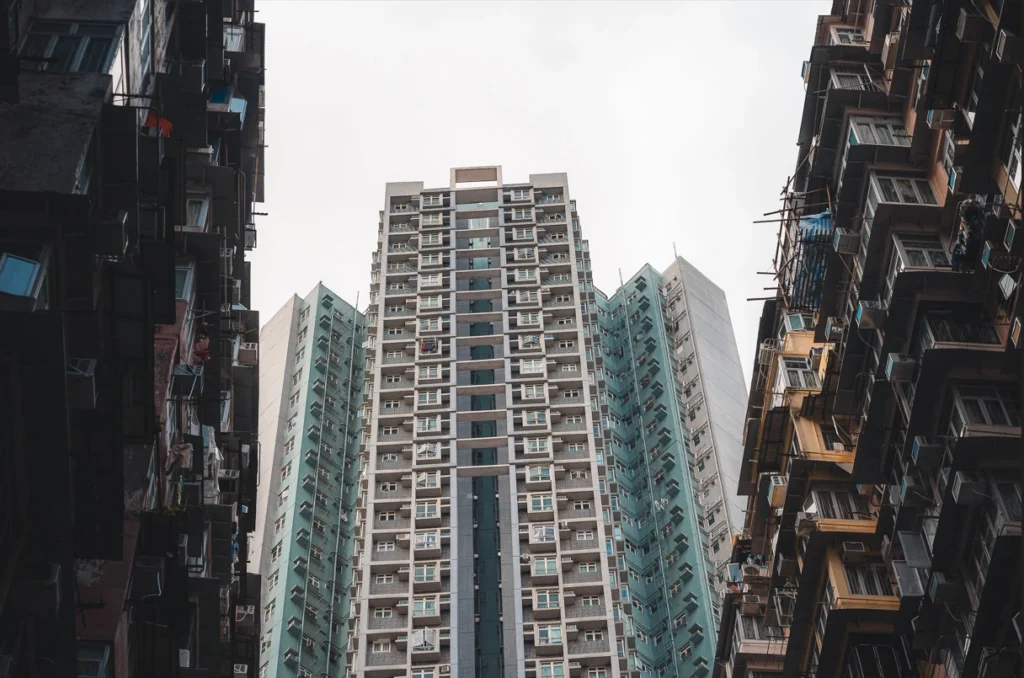
For me, urban renewal needs to be about renewing places, not simply renewing property. That requires planners to understand what people value about their neighbourhood before deciding how it should change. Perhaps the simplest reflection I brought home from Baku is that, despite all our discussion about strategies, infrastructure, investment and technology, planning ultimately comes back to people’s everyday lives.
I left Baku optimistic about the future of planning. Not because the challenges are becoming easier. If anything, they are becoming more complicated and interconnected. I was optimistic because so many of the conversations at WUF13 ultimately came back to something planners are particularly good at: connecting things. Connecting housing with transport. Development with infrastructure. Climate resilience with place-making. Universities with innovation. Economic ambition with community needs. Hong Kong already has many of the ingredients needed to be at the forefront of this conversation: density, connectivity, excellent public transport, strong institutions, infrastructure expertise and an extraordinary ability to deliver.
The challenge now is to think about what the next generation of that model looks like.
Want to take up the challenge?
Find out more about the University of the Built Environment’s MSc in Urban Planning
 ZH
ZH  EN
EN