
Ten years of the New Urban Agenda: Why the world needs planners more than ever
Posted on: 2026-07-23

Ten years of the New Urban Agenda: Why the world needs planners more than ever
As the UN marks ten years of the New Urban Agenda, Charlotte Morphet, Programme Leader of the MSc in Urban Planning, argues that Hong Kong’s ambitions for housing, liveability and resilience depend on a new generation of skilled planners.
On 16 July 2026, the UN General Assembly met in New York to mark ten years since the adoption of the New Urban Agenda in Quito. It was an important milestone, but not a moment for celebration. The message was more urgent than that: progress on the New Urban Agenda remains too slow, particularly on housing. The scale of the challenge is stark. Around three billion people globally live in unsafe or inadequate housing. For built environment professionals in Hong Kong and across the region, that message should feel familiar. Housing, land, infrastructure, resilience and liveability are not abstract global commitments; they are everyday questions of planning, delivery and public value.
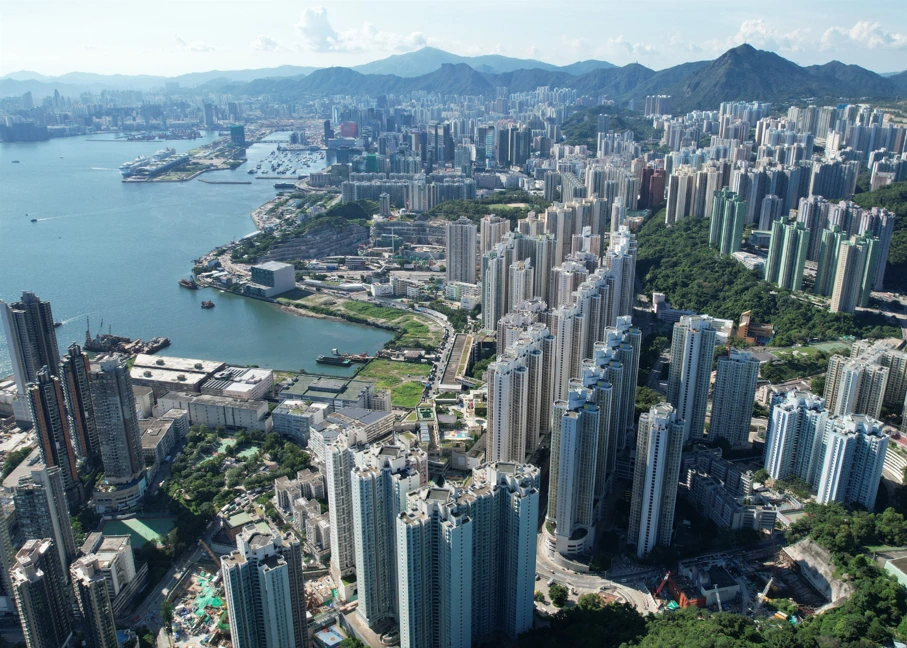
Hong Kong’s key urban growth questions
The New Urban Agenda is not a standalone commitment. Adopted in 2016, one year after the Sustainable Development Goals, it was framed as part of the delivery mechanism for SDG 11 ‘Sustainable Cities and Communities’. SDG 11 calls for cities and human settlements that are inclusive, safe, resilient and sustainable. The New Urban Agenda gives that ambition a practical urban focus: social inclusion and poverty eradication; sustainable and inclusive urban prosperity; and environmental sustainability and resilience.
These are also the questions at the heart of Hong Kong’s built environment: how to plan well in a dense city, how to make growth inclusive, how to connect housing with transport and infrastructure, and how to build long-term resilience into every decision.
‘Plans do not deliver themselves’
At the international level, ISOCARP told the UN’s World Urban Forum in Baku that there is a shortage of qualified planners, especially if the global ambitions set out in the SDGs and New Urban Agenda are to be met. That shortage matters because plans do not deliver themselves. Land use, housing supply, climate adaptation, regeneration, transport integration and community engagement all depend on skilled people who can hold competing pressures together and turn long-term ambition into practical choices.
There is still no global dataset showing how many planners the world has, or how many it needs. What we do have are warning signs from individual countries. Both the Planning Institute of Australia (PIA) and the Royal Town Planning Institute publish State of the Profession reports, which give a clearer picture of professional capacity. The PIA 2021 report highlights surveys of Australian local governments, undertaken in 2022 by SGS Economics & Planning for the Australian Local Government Association, which found that urban and town planners were cited as needed by 40% of local authorities. Almost half of respondents – 49% – said the shortage of urban and town planners was becoming critical for the future, despite the profession not being high on the National Skills Commission’s 2022 Skills Priority List.
The planner shortage crisis
The RTPI 2025 State of the Profession found that 66% of public sector planners say their teams lack capacity. Other evidence points in the same direction: in England, public sector trade union Unison found that only 22% of planning departments were fully staffed, while the Home Builders Federation, a membership organisation for house builders, estimates a shortfall of more than 2,200 planners across England and Wales. In Canada, the former Minister of Municipal Affairs and Housing, Steve Clark, stated that there is a shortage of planners. The same concern was reiterated in British Columbia by former president Emilie Adin.
These examples come from countries with different planning systems, political cultures and development markets. Yet the challenge is strikingly similar: there are not enough planners to meet the demands being placed on cities. In the global south, where urbanisation is often faster and institutional resources are more constrained, that gap is likely to be even more acute.
Why Hong Kong needs more planners
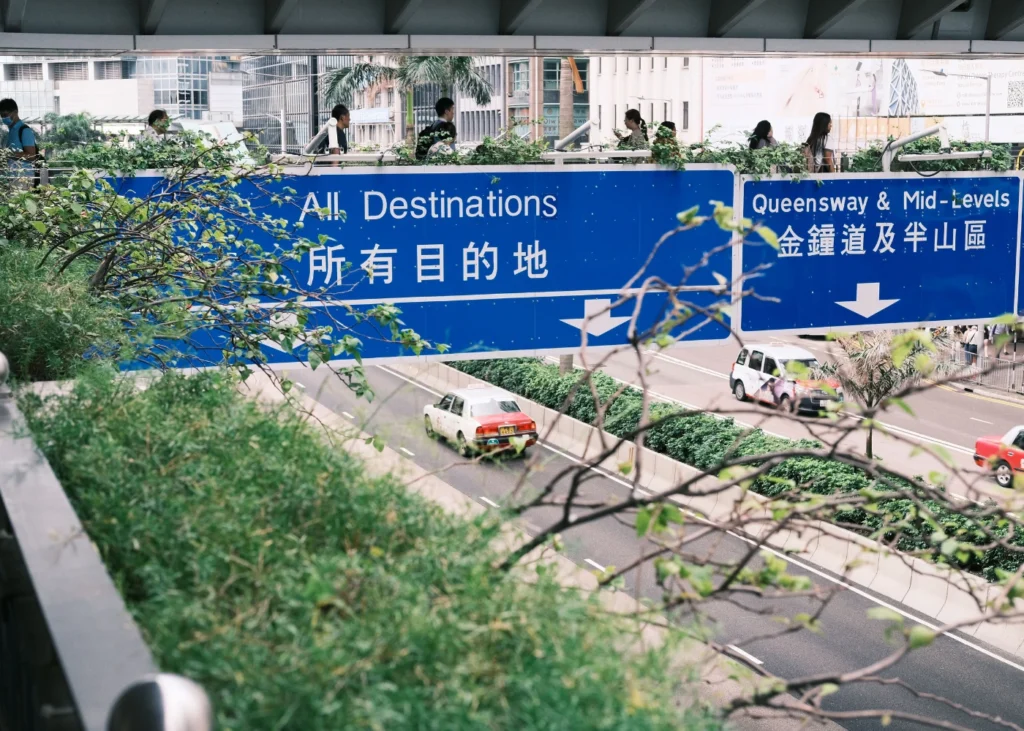
For Hong Kong, this global conversation lands close to home. The city’s own long-term planning agenda places strong emphasis on creating capacity for sustainable growth, planning for a liveable high-density city, and building a smart, green and resilient urban future. Those ambitions need more than policy intent. They need planners, designers, engineers, surveyors, architects, landscape professionals, economists and community practitioners working together – and planners have a particular role in joining the pieces.
Taken together, the conclusion is clear: this is a vital moment for urban planning. There has never been a greater need for skilled, qualified planners who can help cities respond to housing pressure, climate risk, infrastructure demands and social change. For those already working in the built environment – in Hong Kong or elsewhere – the challenge is also an invitation. Planning is not only about regulation or process. At its best, it is about public purpose: helping places make better choices, balancing immediate needs with long-term stewardship, and turning global commitments into better homes, better neighbourhoods and better cities.
Want to make a change?
Find out more about the University of the Built Environment’s MSc in Urban Planning

 EN
EN  ZH
ZH